
 Written by David McMahon
The enterprise AI story has spent the past year orbiting code assistants, copilots, and workflow automation. That framing now looks incomplete. A fresh launch from NTT DATA suggests the next frontier is not helping companies execute a plan faster, but helping them decide what the plan should be in the first place. In other words, generative AI is starting to move upstream into product conception itself.
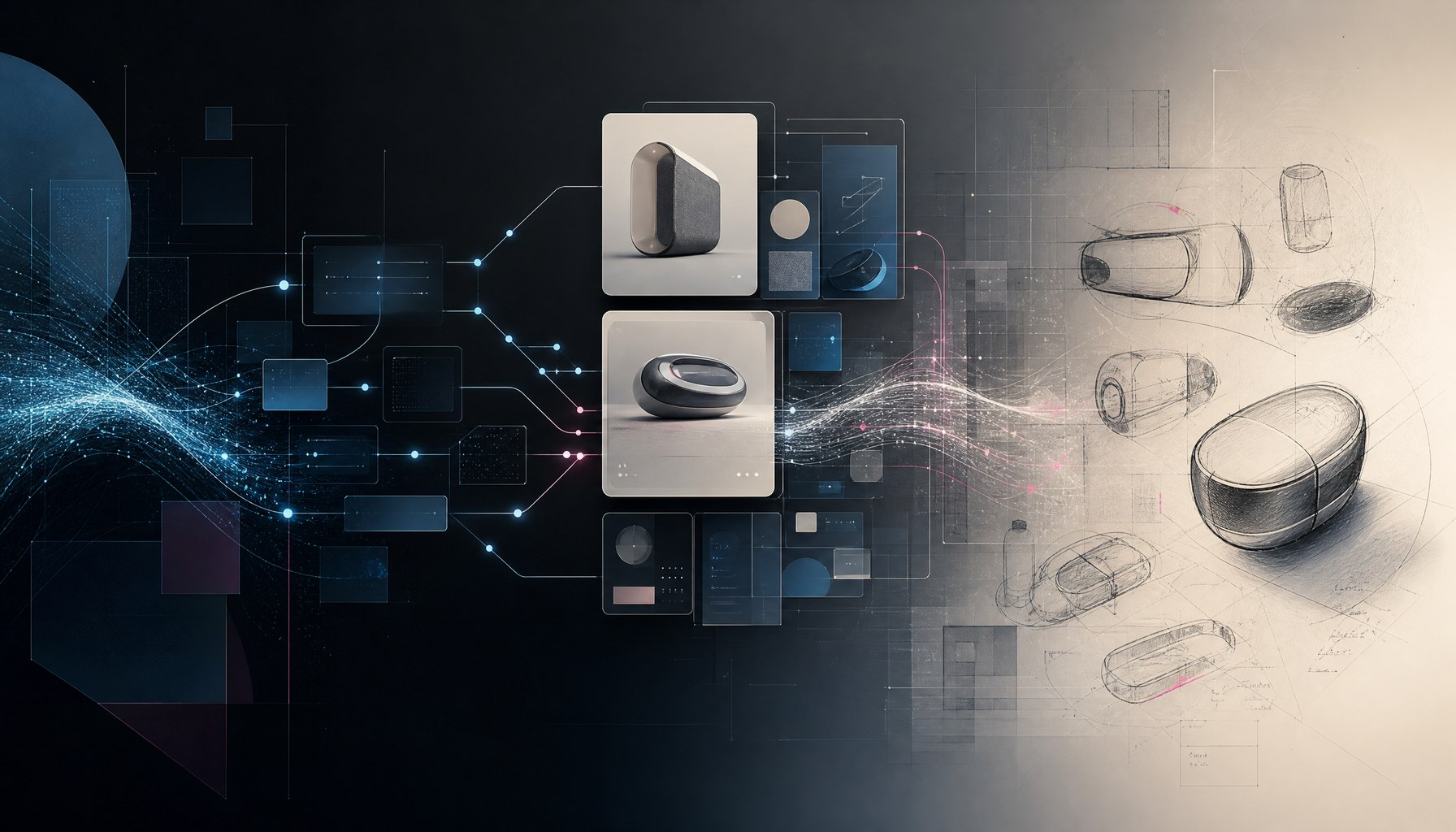
That shift matters because early-stage product planning has traditionally been one of the least structured and most politically congested parts of the enterprise. Before a company ships anything, teams argue over naming, positioning, compliance, target customers, forecast assumptions, and whether a new idea is even worth formal review. NTT DATA says those activities can stretch across months of internal alignment, especially in food, beverage, and consumer-goods companies, where brand risk and channel complexity make the front end of product development surprisingly slow. Its new service compresses that phase into an agentic workflow that can generate structured concept proposals in minutes rather than months, including feature design, value propositions, sales forecasts, and even visual concept imagery.
The deeper implication is that AI is beginning to compete with the corporate meeting, not just the spreadsheet. For years, software has mostly optimized what happens after a decision is made. Enterprise systems tracked, routed, approved, or analyzed decisions that humans had already framed. What NTT DATA is now commercializing is a system that helps frame the decision itself. That is a more consequential shift because it changes where AI enters the value chain. If the first useful draft of a product brief, market hypothesis, or commercialization package can be machine-generated, then AI stops being a back-office accelerator and starts becoming a front-office origin engine.
That also helps explain why the service is being aimed at consumer-goods categories rather than the more obvious terrain of software development. In software, the market has already learned to talk about automated coding. In consumer products, the bigger constraint is often not syntax but synthesis: how quickly a company can spot a trend, test a concept against brand rules, estimate market potential, and hand management something coherent enough to approve. NTT DATA’s description makes that explicit. The system is designed to work against a company’s own brand guidelines, target segments, and product strategy, which means the commercial promise is not generic ideation but institutionalized ideation.
The second announcement adds another important clue. NTT DATA says the service was tested with global manufacturers in Europe and Japan and includes integrated sales forecasting, industry-specific expert agents, and security controls that keep proprietary data inside a client’s environment. That combination is revealing. Enterprises are no longer buying AI mainly as a raw model capability. They are buying it as a packaged decision system that must be sector-specific, numerically useful, and internally governable from day one. The winners in the next phase may therefore be the companies that turn models into narrowly framed commercial instruments rather than broadly framed digital assistants.
There is also a strategic reason this category could grow quickly. The firms that master earlier product planning can influence more of the downstream lifecycle. NTT DATA is already pointing in that direction by saying it plans to extend the service into formulation, packaging, and production-feasibility work. Once AI owns the first draft of the concept and then starts extending into adjacent design choices, it becomes harder to separate ideation from execution. The software stops being a brainstorming tool and starts becoming the connective tissue of product development.
That is why this announcement deserves more attention than a typical enterprise-services press release. It hints that AI’s next monetization layer may not be chat, search, or coding, but the expensive gray zone where companies decide what to build and how to sell it. If that holds, then the next enterprise AI race will not simply be about automating labor. It will be about automating commercial judgment just enough to make product organizations move at machine speed without feeling as though they have surrendered the brand to the machine.